The principle
The Seat Is the Exposure.
Nobody Has to Sit in It.
Nobody in harm's way, on any seat, whoever would have been in it. Everything below is that principle built into hardware.
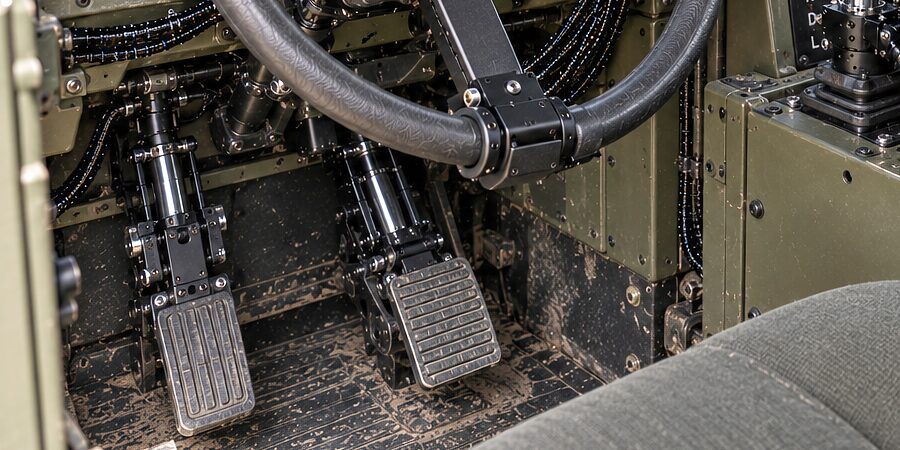
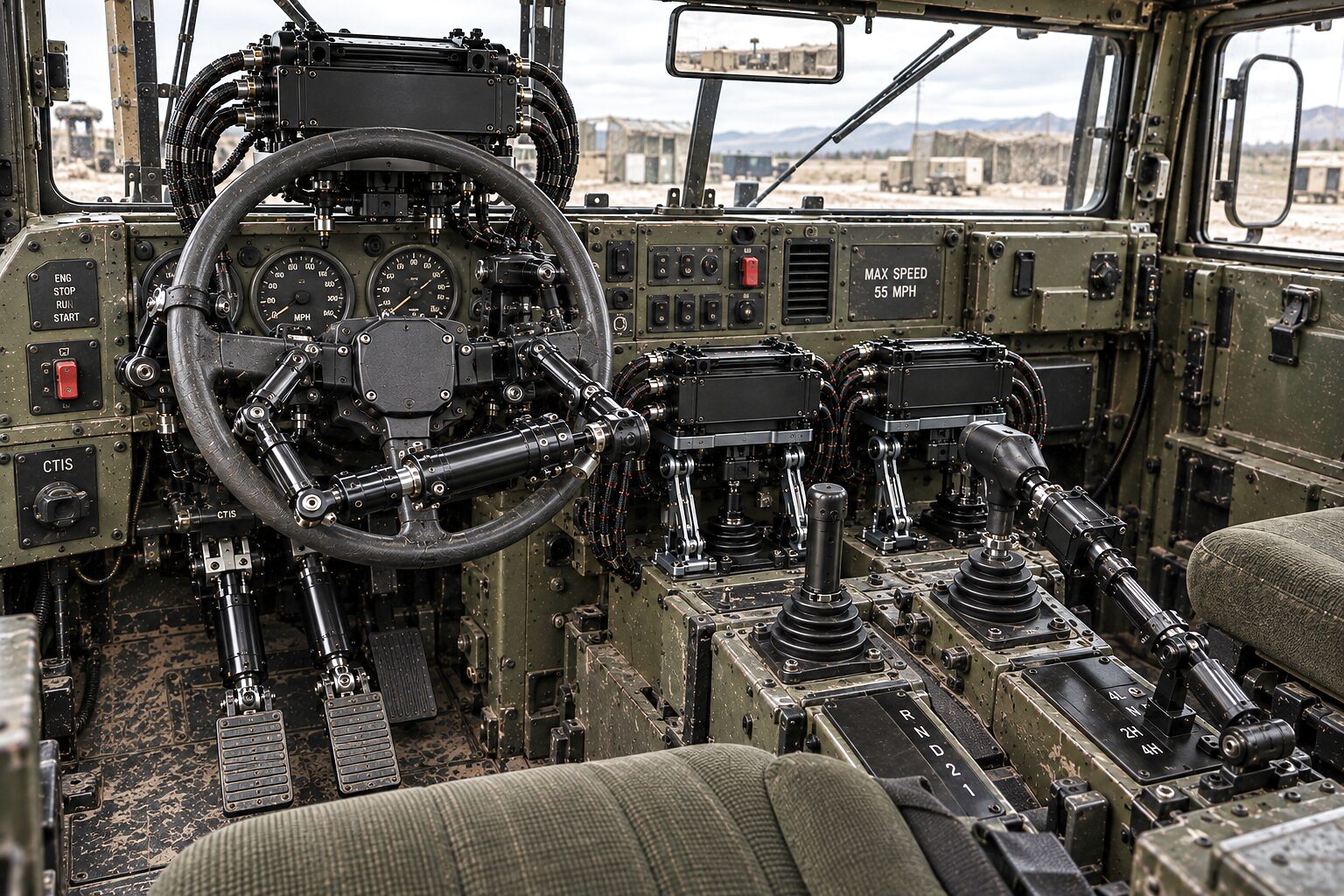
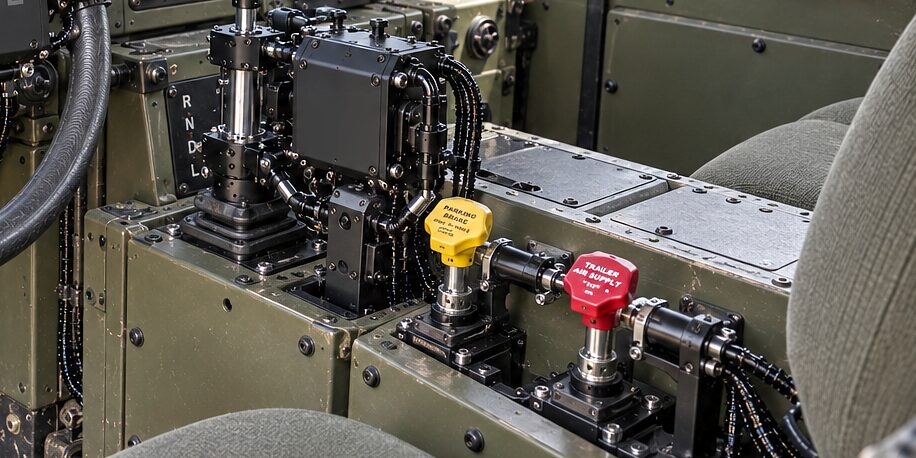
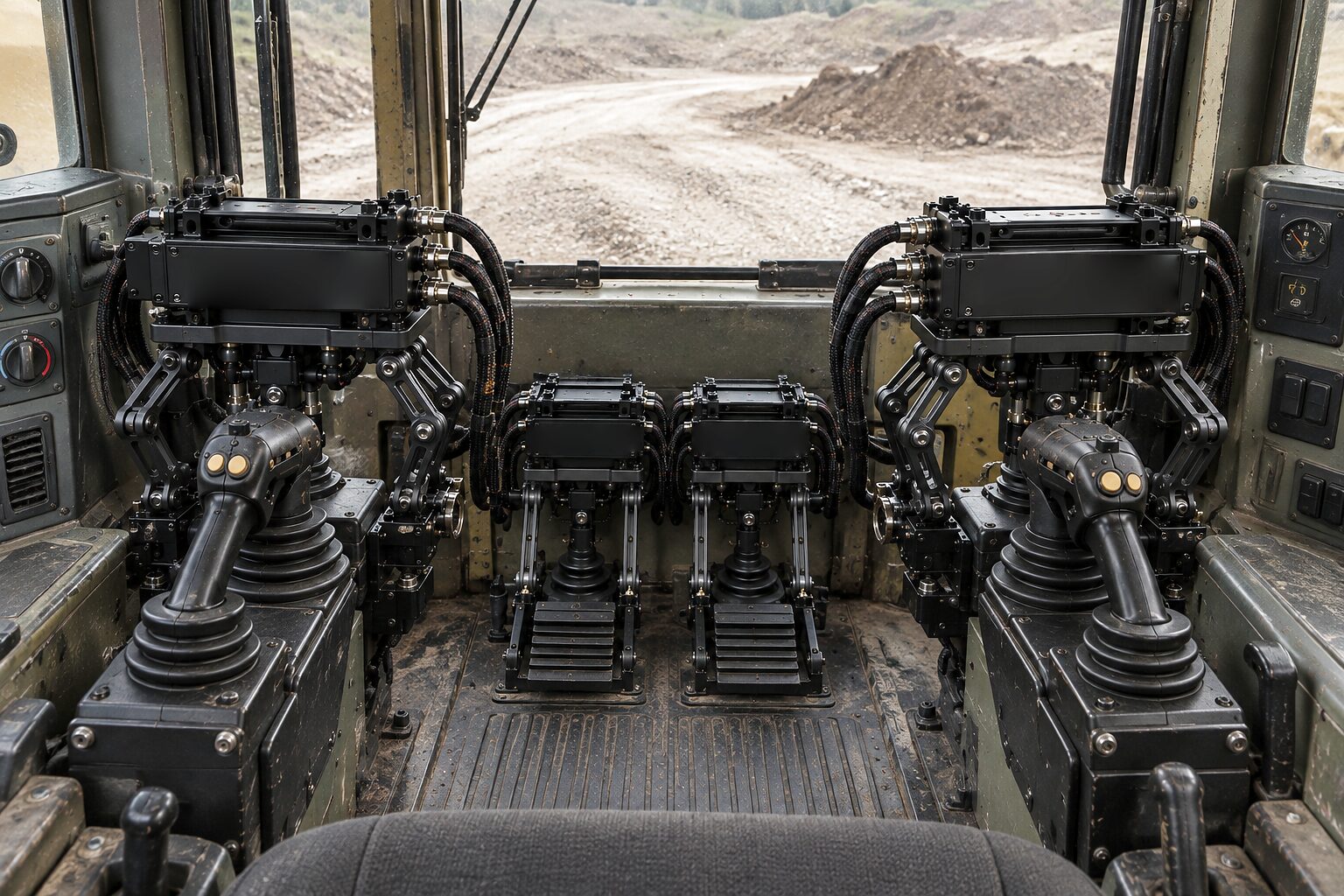
CDNS Autonomy is a removable operator. It sits on the operator's seat of a machine the customer already owns, under the machine's own lap belt, and works the joysticks, levers, pedals and switches the manufacturer fitted. A camera reads the dash. When the job is done it lifts out and the machine is standard again. The person who would have been in that seat is outside the structure, off the slope and clear of the route.
Two profiles run on that one unit. Responder CS-810 is programmed for civil emergency services: fire ground, structural collapse, hazmat, flood and wildfire earthworks, rubble and route clearance. Defender CS-820 takes the seat for earthworks, berms and revetments, obstacle reduction, route and rubble clearance, remote handling and driving, on the ground and the machines defence engineering already runs, military-pattern vehicles included — each surveyed, fitted, calibrated and recorded like any other machine. The hardware does not change between them. The rule set does: the tasks each may run, the movement space it may use, and the safe state it goes to when something falls outside the rules, decided per task and in advance.
An empty seat changes every safety question on a site, so the architecture answers each one in hardware first and in software second. The stop is physical. Safety is independent of the computer that plans the work. Authority is settled before the day and it expires. The things the line will never do are properties of the build, not settings.
DoctrineAI plans. Rules govern. Humans authorize. Safety has veto.
The planner proposes. The rules bound what may be proposed. A named person authorizes each job before it runs. Independent safety can only remove authority, and it does so without asking the software.